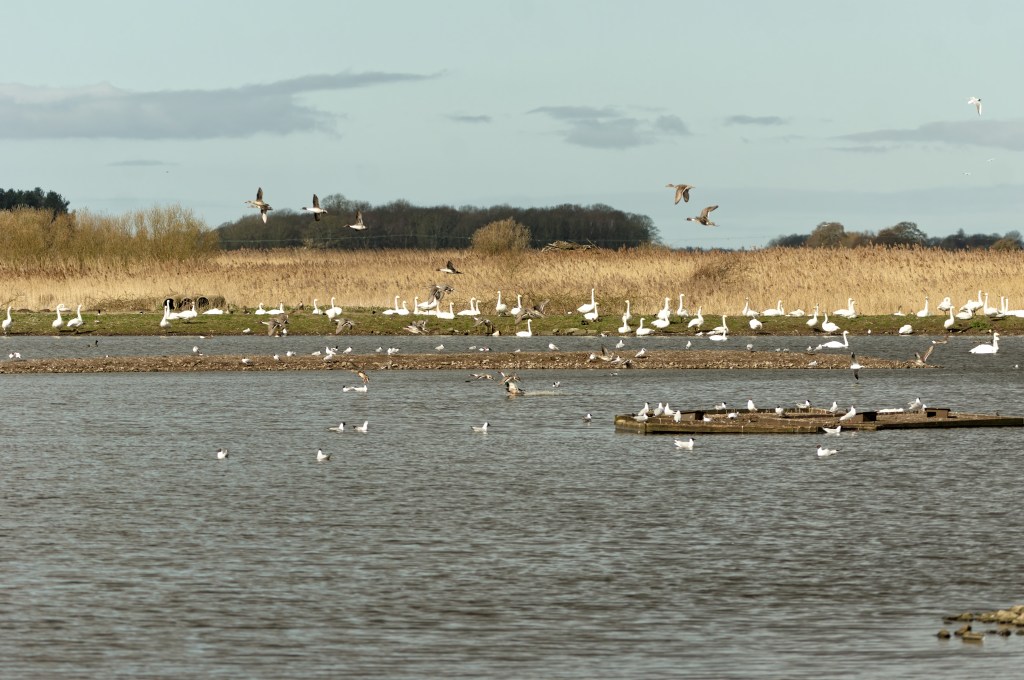
Recently, Backwoodsman was offered, and was very grateful to make, a visit to WWT Martin Mere. The visit took place on March 11th in 2025 – thank you Mother for taking me. We were fortunate to visit before the feeding stopped on March 16th; it seems likely that the five hundred or so Whooper Swans which had wintered on the reserve would probably then head back to Russia, weather permitting. According to social media posts, the numbers of Whoopers were down below three hundred by March 17th and there were just ten on the reserve by March 24th.

The Whoopers were quite combative but then the spring is a tense time for birds, as hierarchies are established and breeding rights contested.
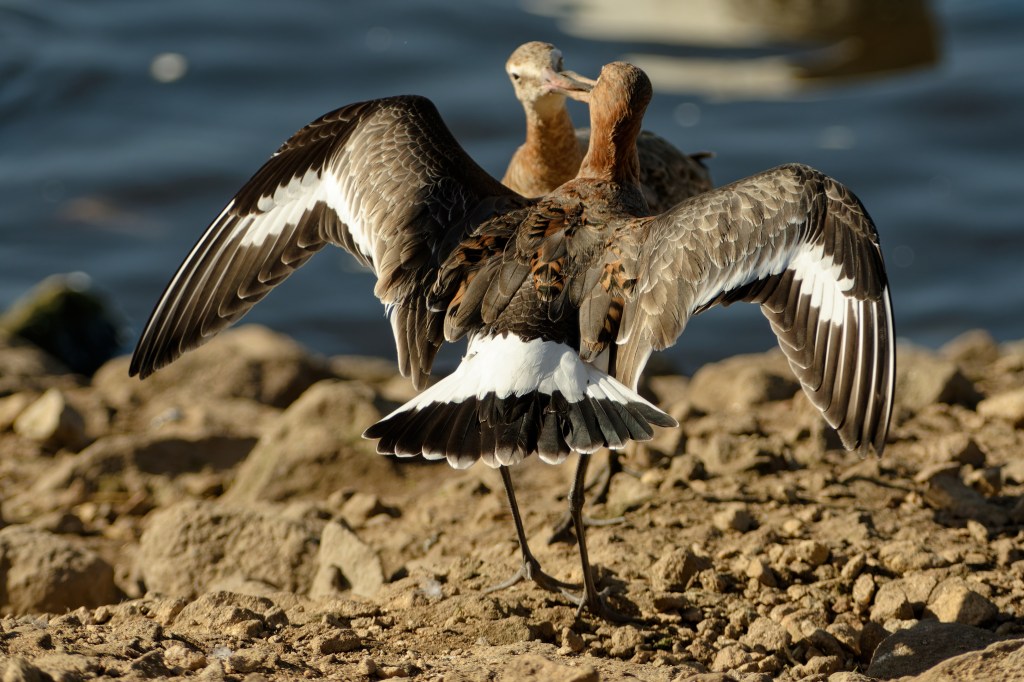
In front of the Discovery Hide, the Black-tailed Godwits were in a testy mood with bill-to-bill combat rife. The books don’t help much with this; while the excellent Waders by W. G. Hale describes the Godwit display behaviour, and refers to territory defence, it does not describe what Backwoodsman witnessed.
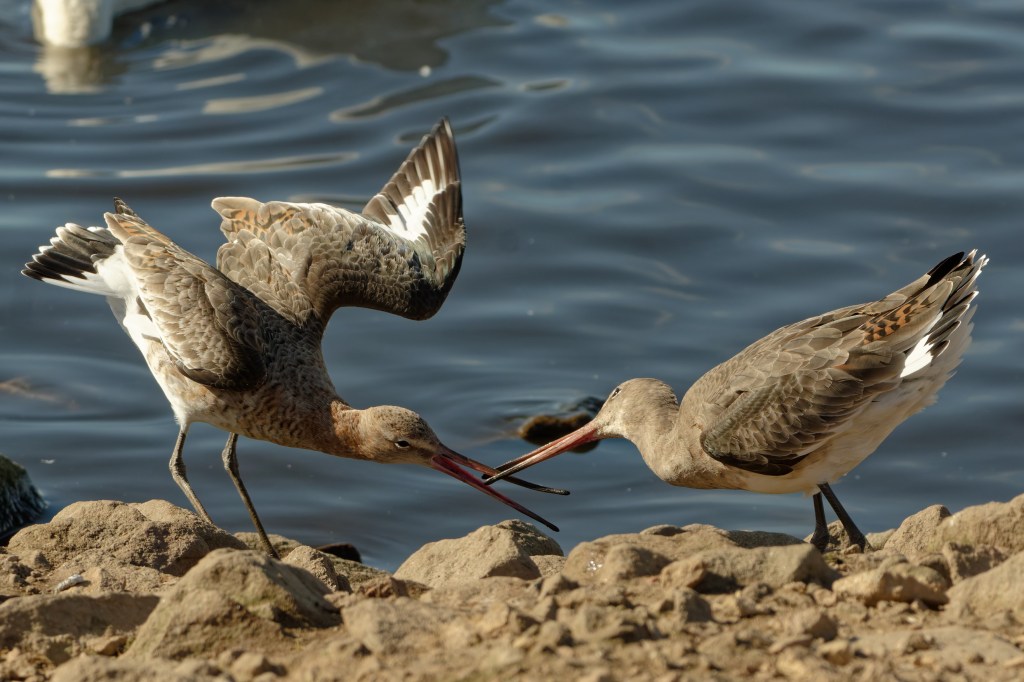
It was surprising to see the precision instrument that is the Godwit bill used in this way. Backwoodsman was also surprised to see the extent of the flexibility of the Godwit neck, which appears to be folded into a right-angle in some of his shots. Wader preening involves a range of contortions but these have mostly involved rotation rather than folding in Backwoodsman’s experience.

The Shelduck were at it too, with encroachment upon established pairs resisted strongly.

It is a treat to be able to sit in a hide while wild birds parade about just metres away. Whooper Swans seem to become quite relaxed after wintering at Hogganfield Loch and will come quite close, even when a big lens is being pointed at them. Godwit and Shelduck are something else entirely when Backwoodsman finds them in the wild with the former often taking to the wing, and the latter walking or gliding out to some distance. Not today!
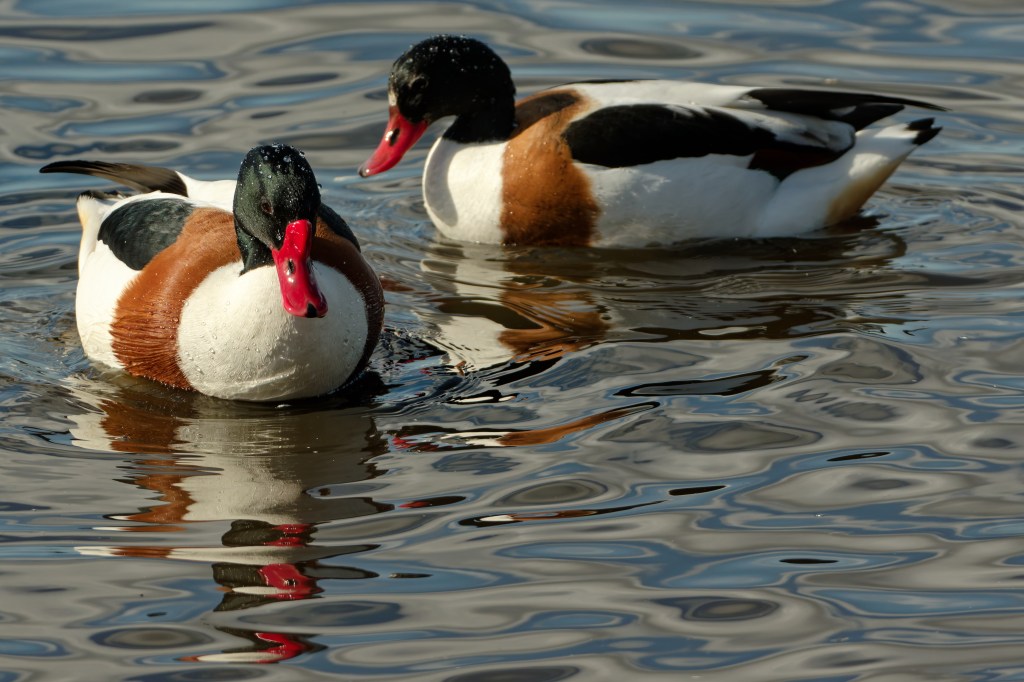
The trick may well be in the feeding which the WWT undertake. At three o’clock sharp, a warden with a barrow emerged beside the Discovery Hide and began to hurl handfuls of grain to the gathering birds. They all came in; the Shelduck were all over it like seniors on a promise of a free biscuit.

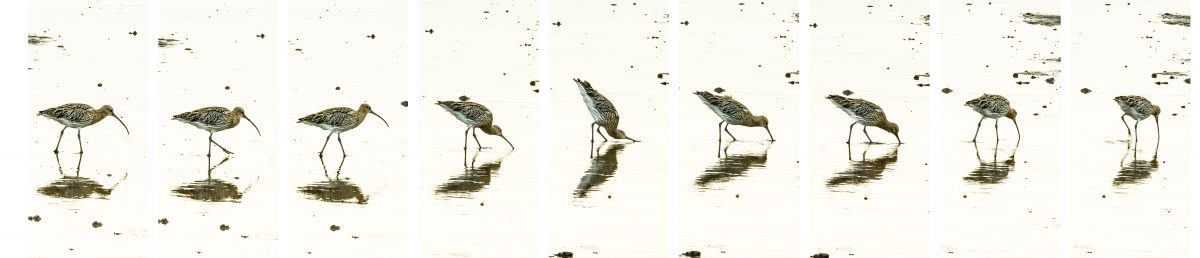
The waders did some tidying up between the bigger units and the Pintail fed in the shallow water at the edge of the mere using their long necks to get grain off the bottom.
Backwoodsman has been hoping to make this post for a few years now. The problem has been getting enough Pintail images to do something decent.
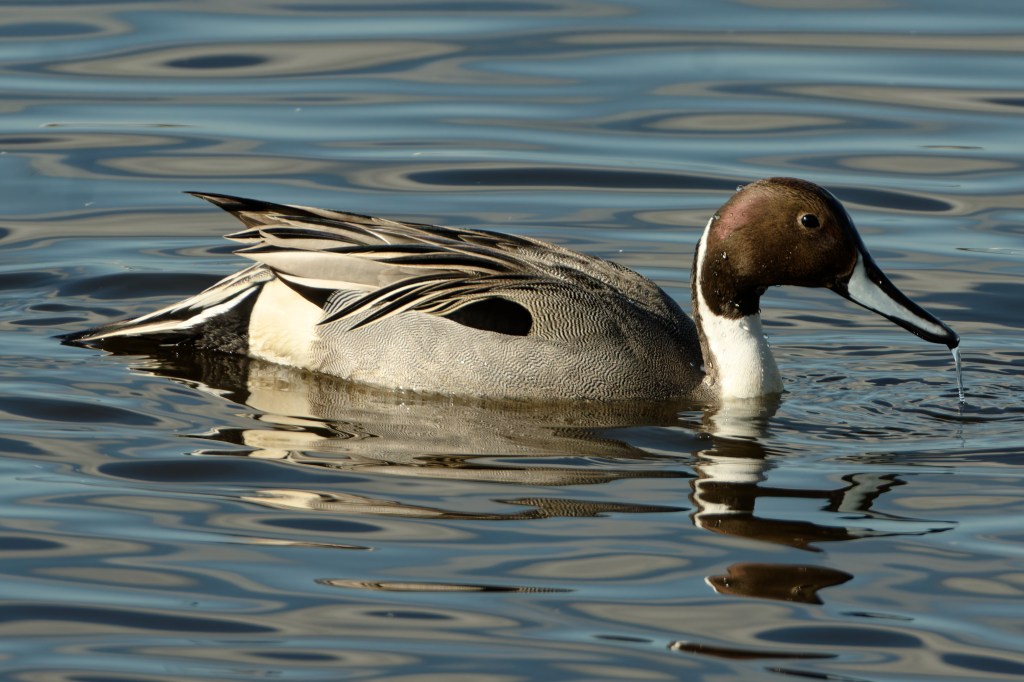
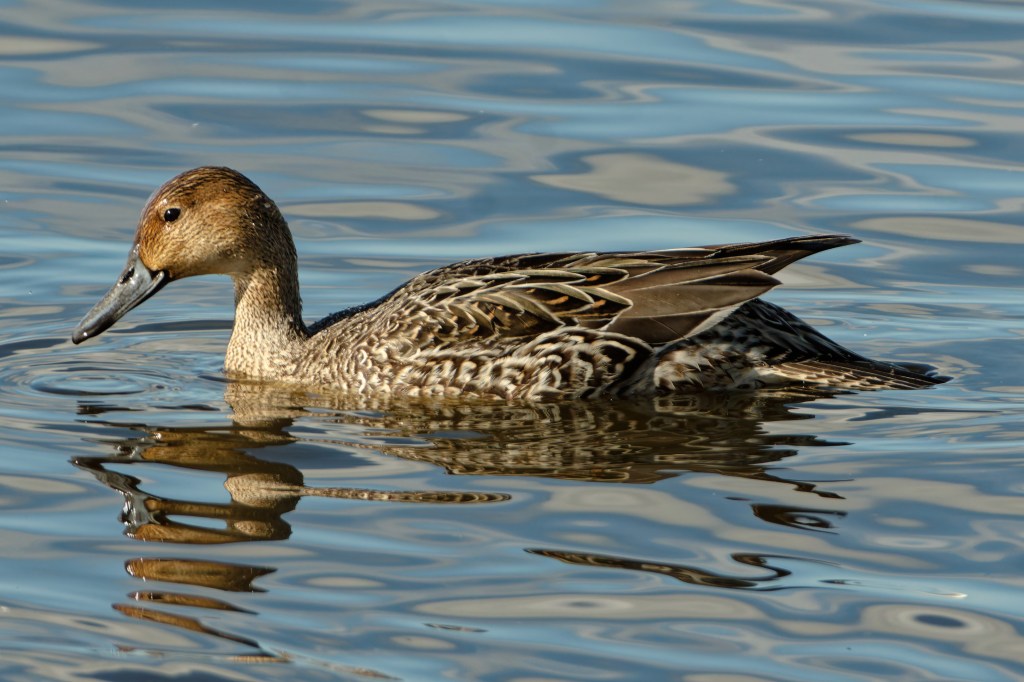
Sightings of Pintail have mostly been confined to the WWT reserves, though we once saw one bird at Troon, and a small group upriver from Cardross on a freezing winter day with horizontal rain, the kind of day when the camera stays in a waterproof bag if the photographer has any sense at all.
Getting right on top of them in a hide and in good light rather changed the game. There were Pintail on the wing (the first image in the post) and in repose, Pintail sailing around looking elegant, and then groups of them upending.
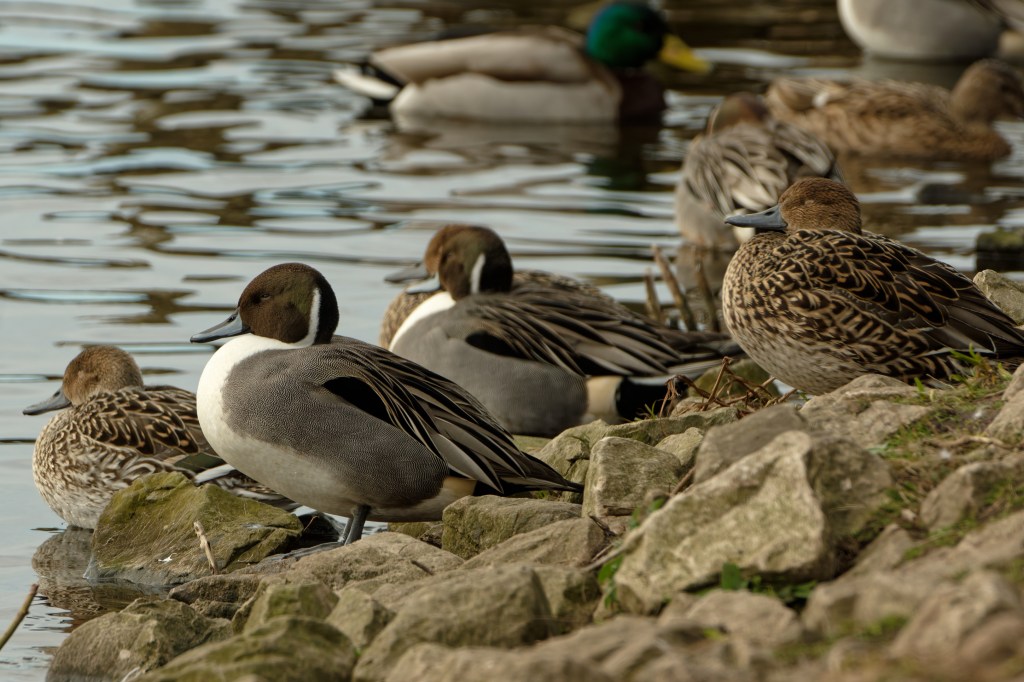

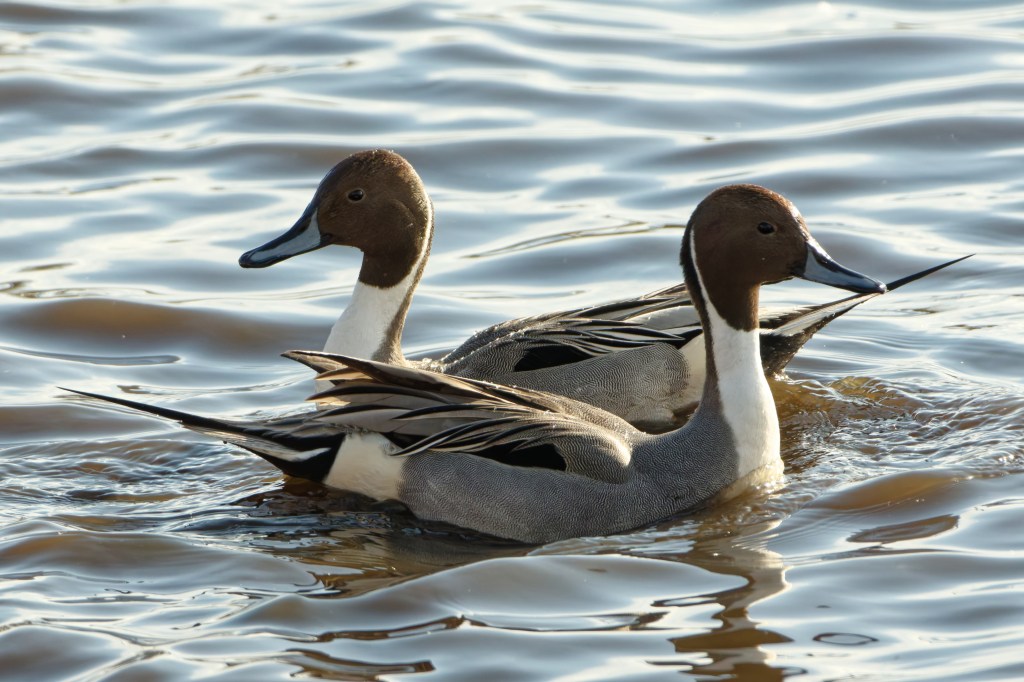
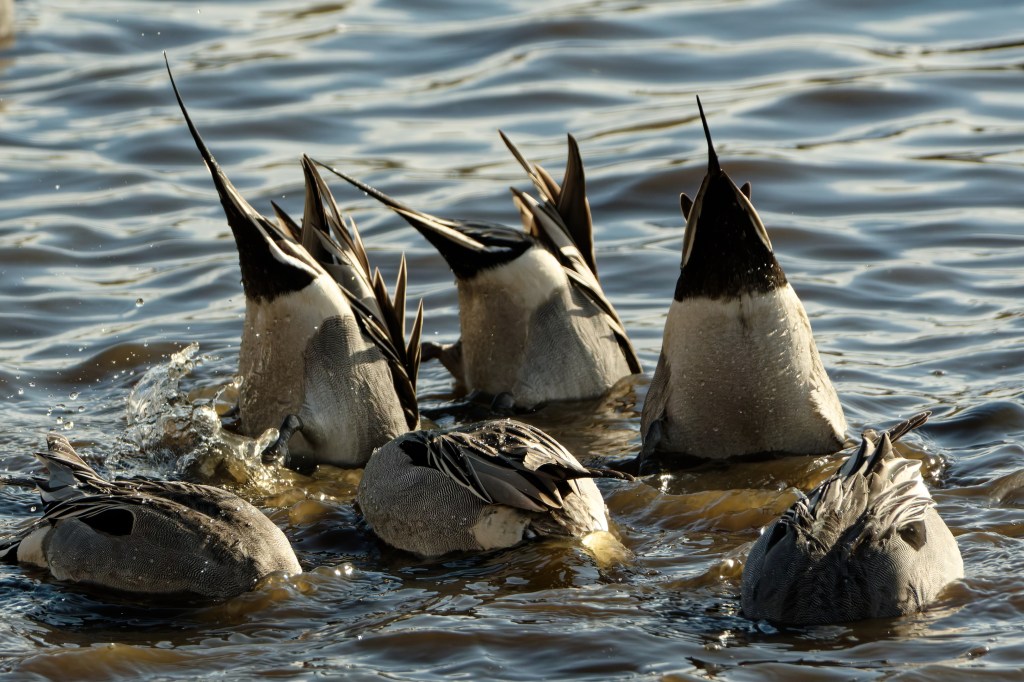
Martin Mere seems to be a stronghold of this species – the BTO highlights Lancashire as a popular wintering site. Pintail are very seasonal with of the order of twenty thousand pairs present in the winter, and fewer than thirty pairs breeding in the UK.
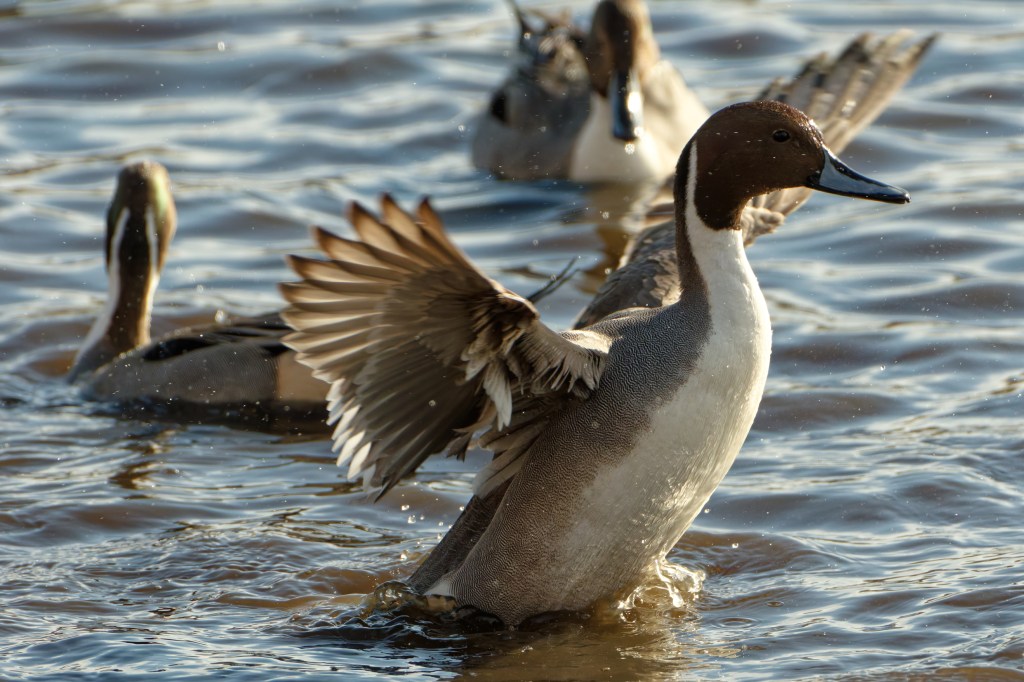
There is a BTO document describing their mass movements and saying that: “The breeding area of the Pintail covers a large area of the northern Holarctic, across North America and Eurasia. The Pintail is mainly migratory and in most regions is a long distance migrant. Wintering areas are spread out in western and southern Europe, across Africa south of the Sahara, southwest Asia, India, southern China and Japan. North American Pintails move south and leave most of the breeding range during winter.”
Backwoodsman looked at the Featherbase site hoping to find the long feathers which give the species its name. He failed to do the job unambiguously. Though the wonderful rich colours of the bird can be seen in the individual feathers, it is hard to assemble them into anything like as glorious as the bird itself.
Backwoodsman cannot look at a Pintail without thinking of le gâteau Opéra to be found in any good pâtisserie, always Backwoodsman’s favourite indulgence when in France.
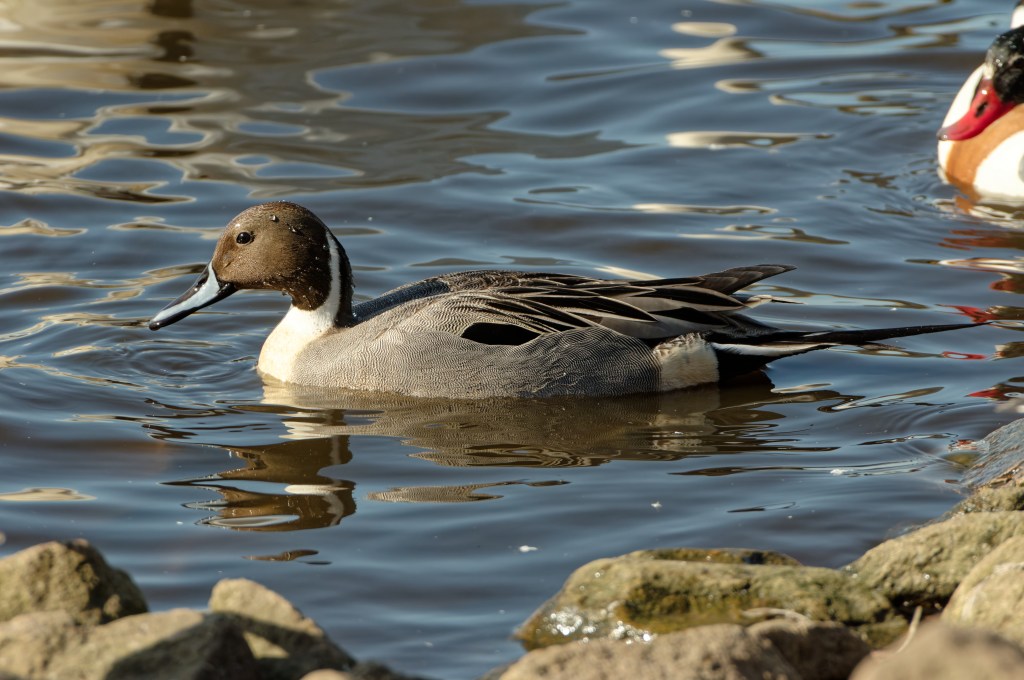
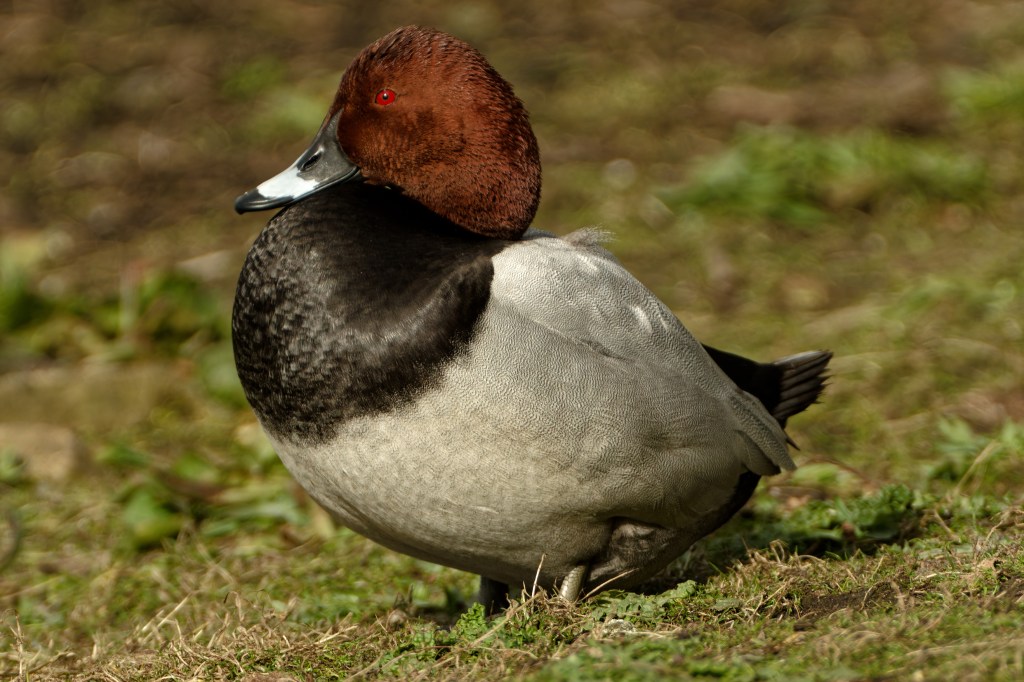
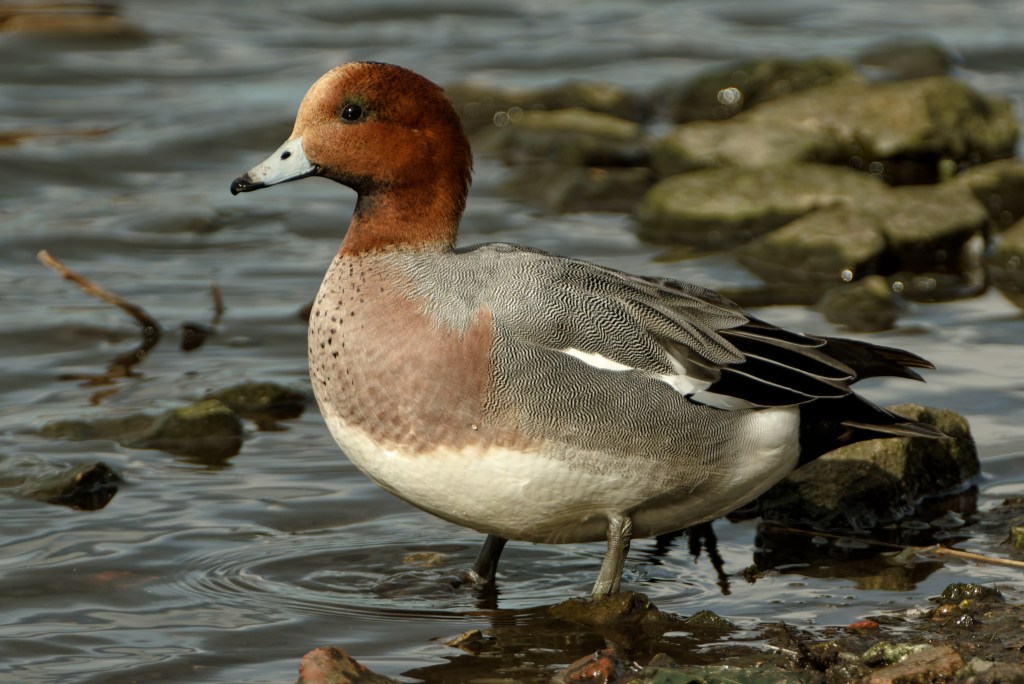
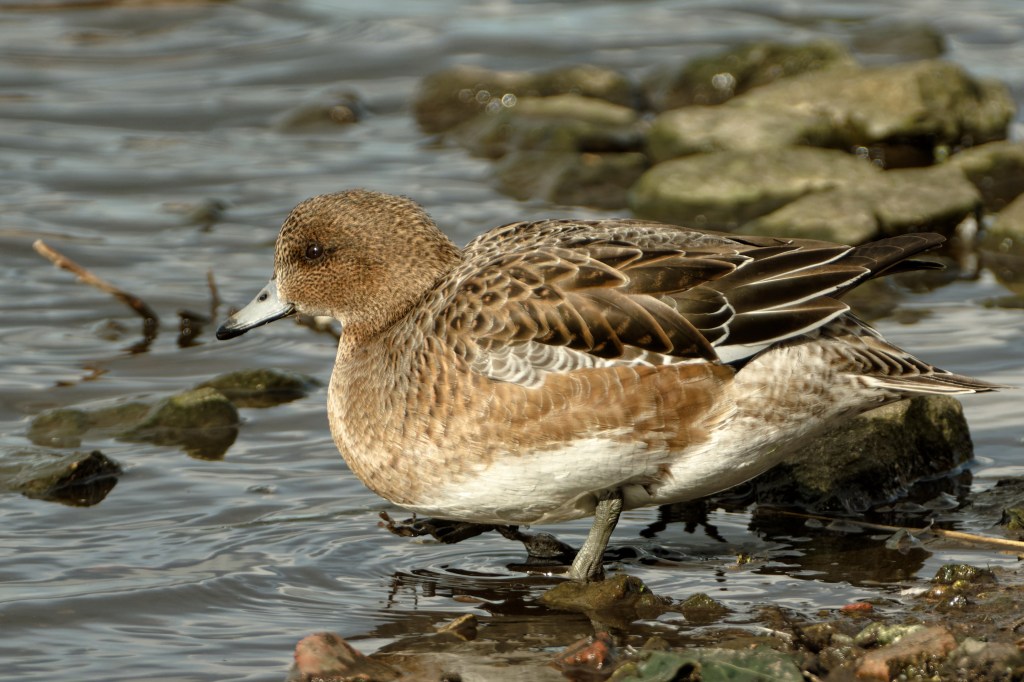
PS Backwoodsman thought you might like these gloriously-lit birds too; male Pochard, followed by male and female Wigeon.
 backwoodsman.org