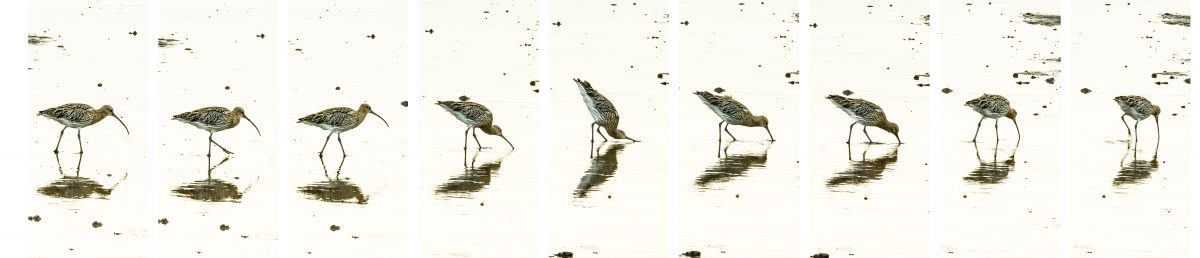
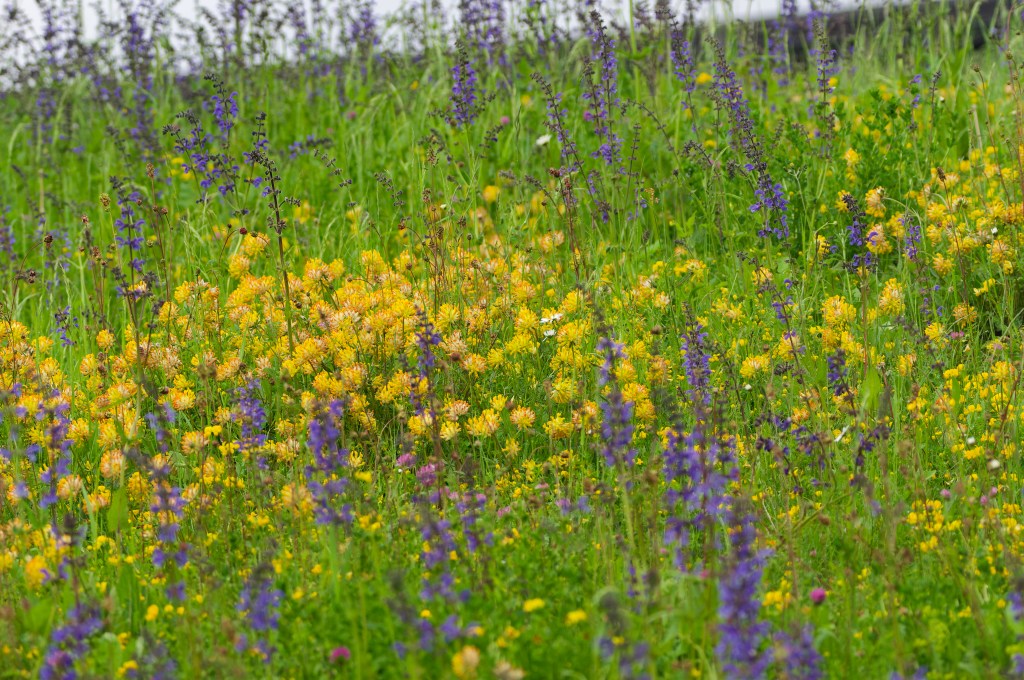
Mornings on the mountain began with extraordinary views and the intermingled sounds of birdsong and cowbells.
Backwoodsman made this recording sitting on the chairlift and passing over a very small herd of animals which were grazing. Some were being molested by passing hikers who were cuddling the animals for selfies.
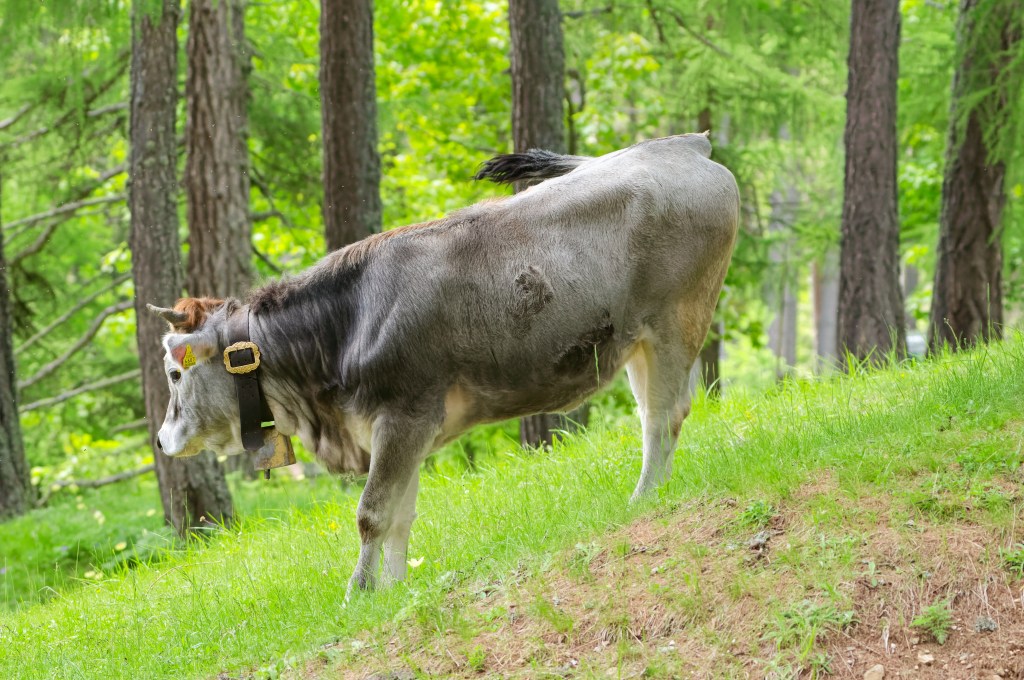
Backwoodsman felt this unwise; as he is a Tick magnet, he tends to give livestock a fairly wide berth, though he finds them less problematic than some noted environmental commentators. George Monbiot would compare and contrast the almost overwhelming mountain flora of the Sud Tirol with the barren uplands of the UK. He would lay the blame squarely on the ovine (and probably the bovine too) – if only the sheep and deer could be exterminated, trees would burst forth on the uplands of the UK, and flowers would bloom. Backwoodsman feels that the weather may have a say in the matter; while it undoubtedly snows in the Sud Tirol, it also seems to be possible to grow vines productively up to 800m above sea level in the region, and from them, make still wine from proper grapes (rather than Bacchus) which is actually pleasant to drink.
Mr Monbiot has many interesting things to say and Backwoodsman always reads his pieces in the Guardian but he can be prone to error, as when he pronounces the Wasdale Screes an “environmental disaster” (“What you will see is the great damage farming has inflicted: wet deserts grazed down to turf and rock; erosion gullies from which piles of stones spill …” rather than the entirely natural result of hundreds of thousands of years of weathering, cracking and gravity on some very steep bits of rock which plummet into the deepest lake in the region).
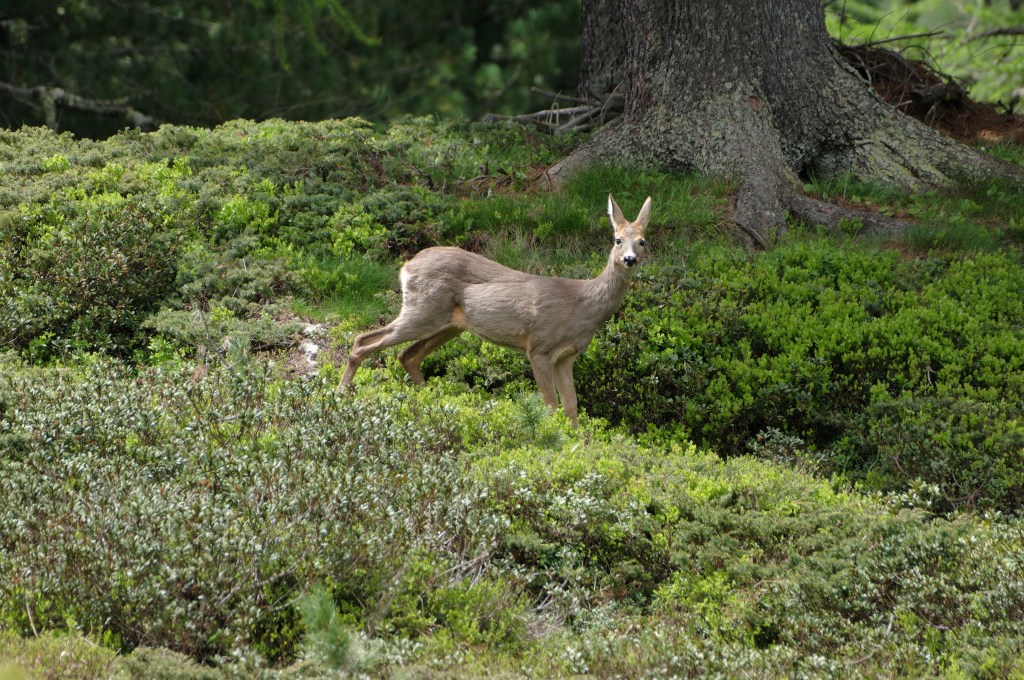
Over many days of walking, we found one deer, no goats and definitely no sheep (and no Ticks). Whatever the reason, the mountain grassland was a wonderful environment for plant spotting. There were two sorts of Gentian; G. alpina and G. aucalis (according to the PictureThis App).
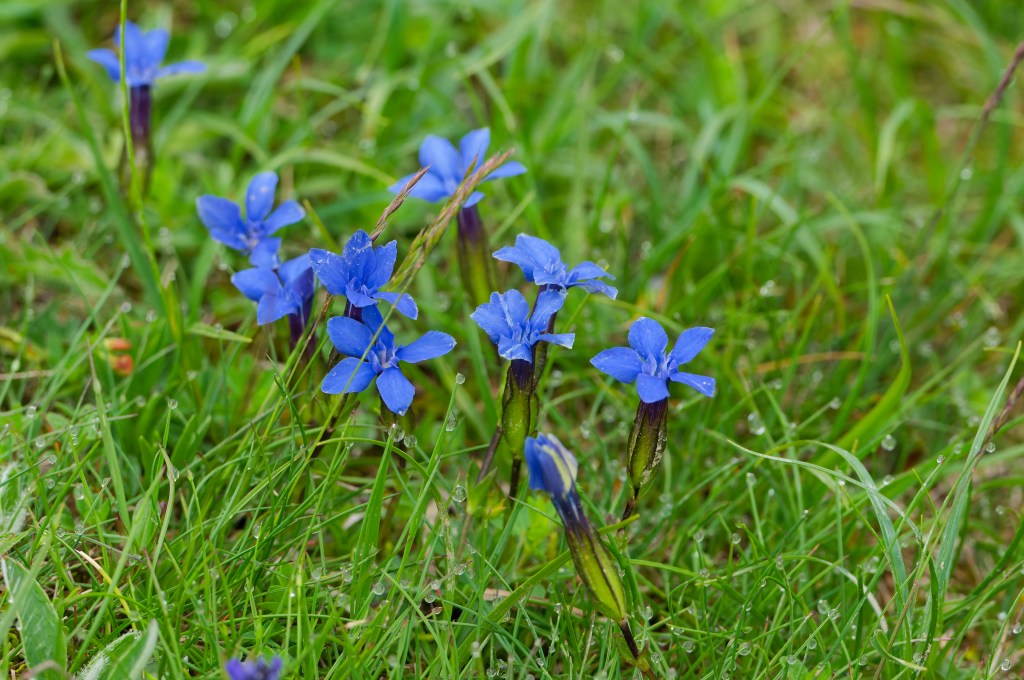
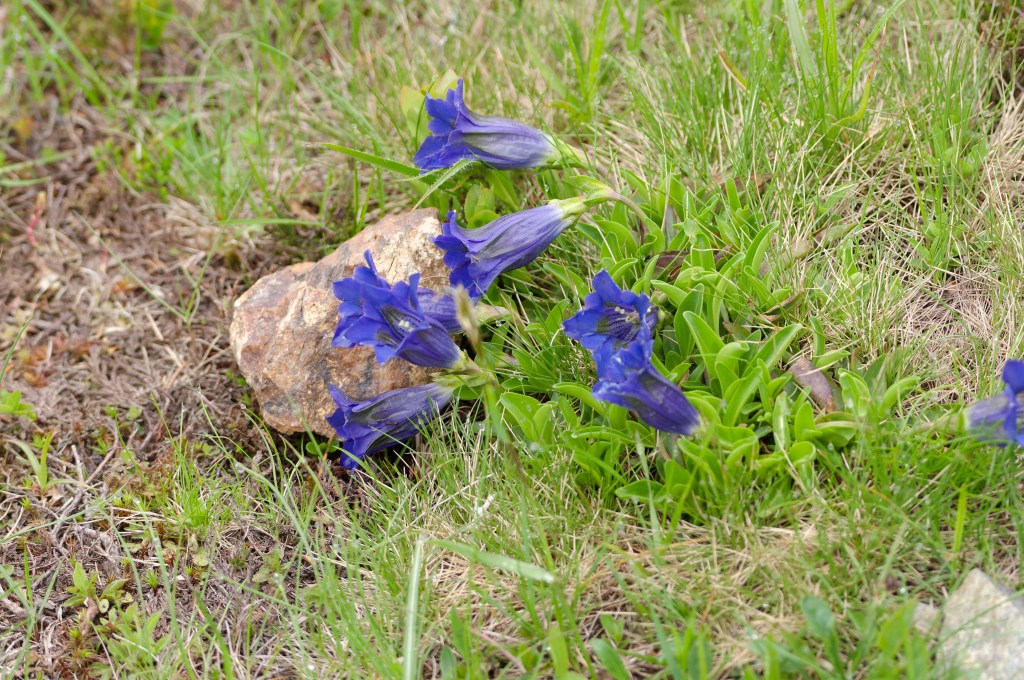
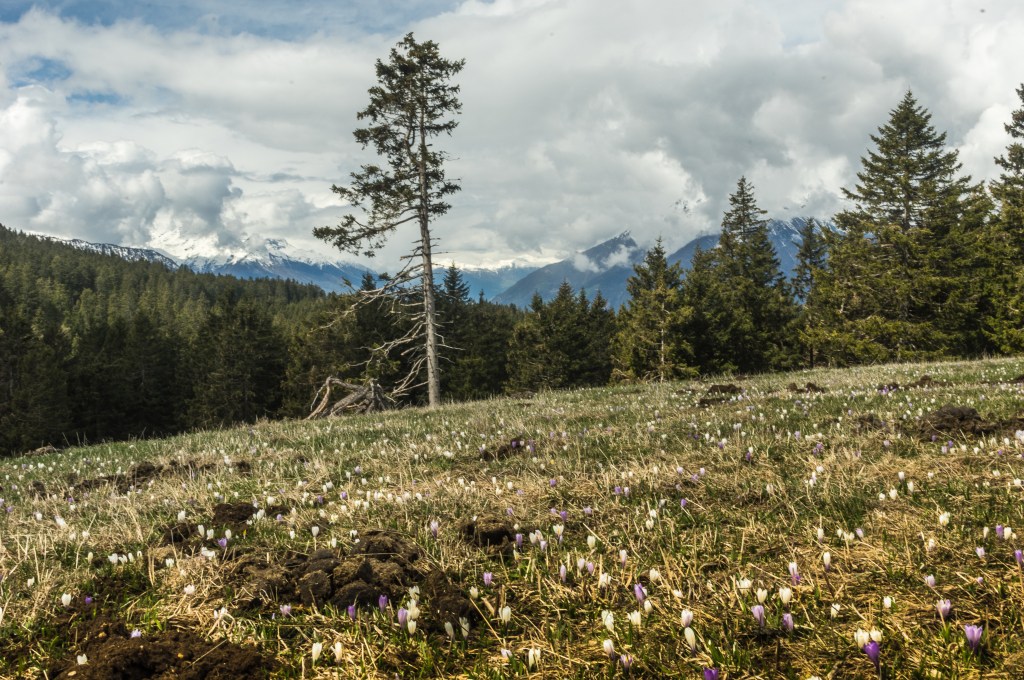
The latter even had a white form. Near the hotel, the Gentians appeared as isolated clumps but 500m higher up, they proliferated in the grassland. On our previous visit, we had seen carpets of Crocus, a joyous sight.
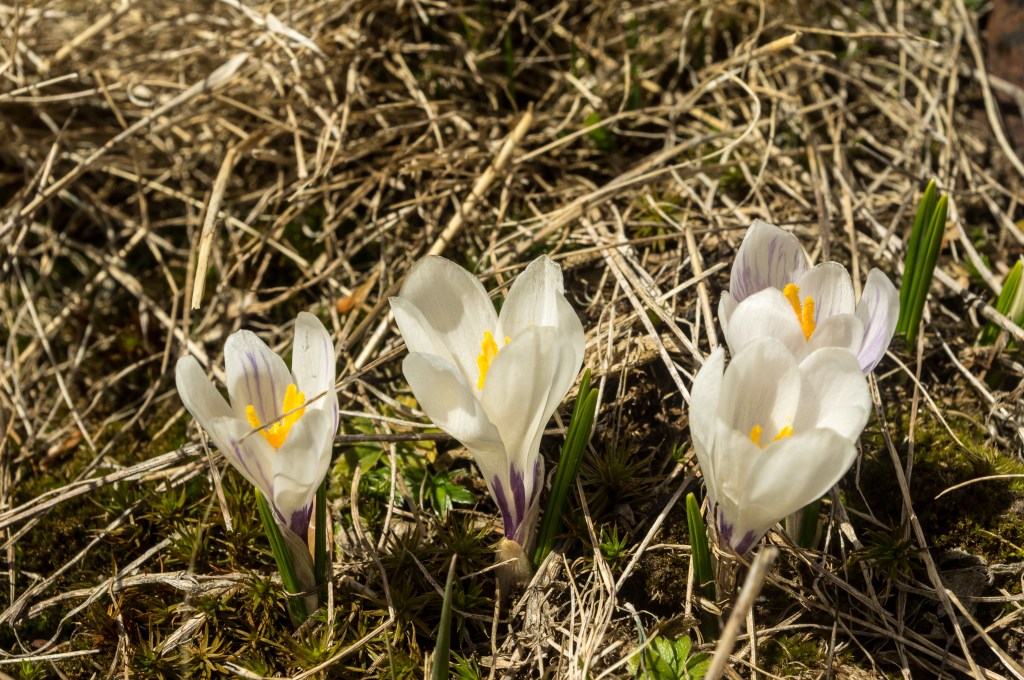
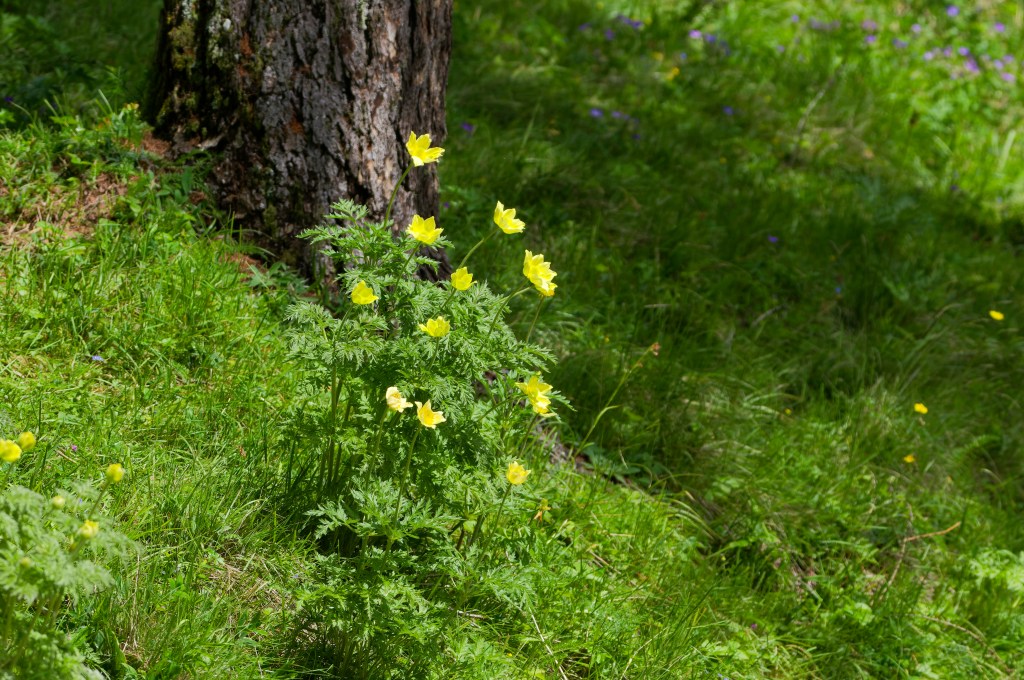
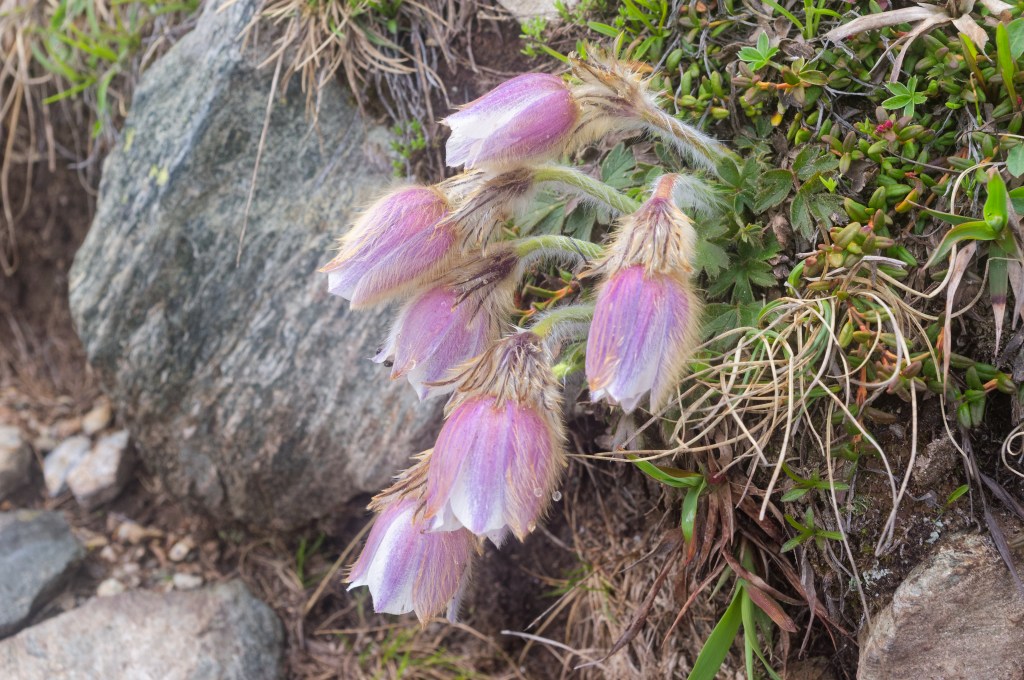
The genus Pulsatilla was well represented with both Pasque (P. vernalis) and Alpine Pasque (P. alpina) Flowers abundant and well distributed.
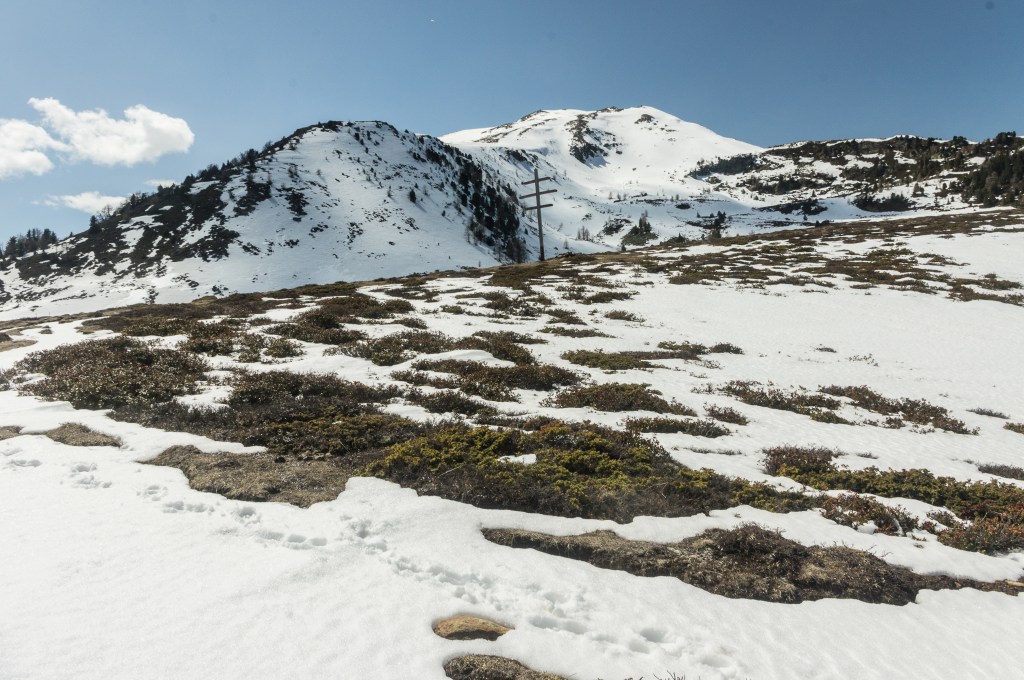
Less familiar was the indigenous Rhododendron species, R. ferrugineum, the Alpen Rose. These were just coming into flower. There were huge banks of them in some of the higher places we reached and a spectacle was imminent: a long distance trail bears their name.
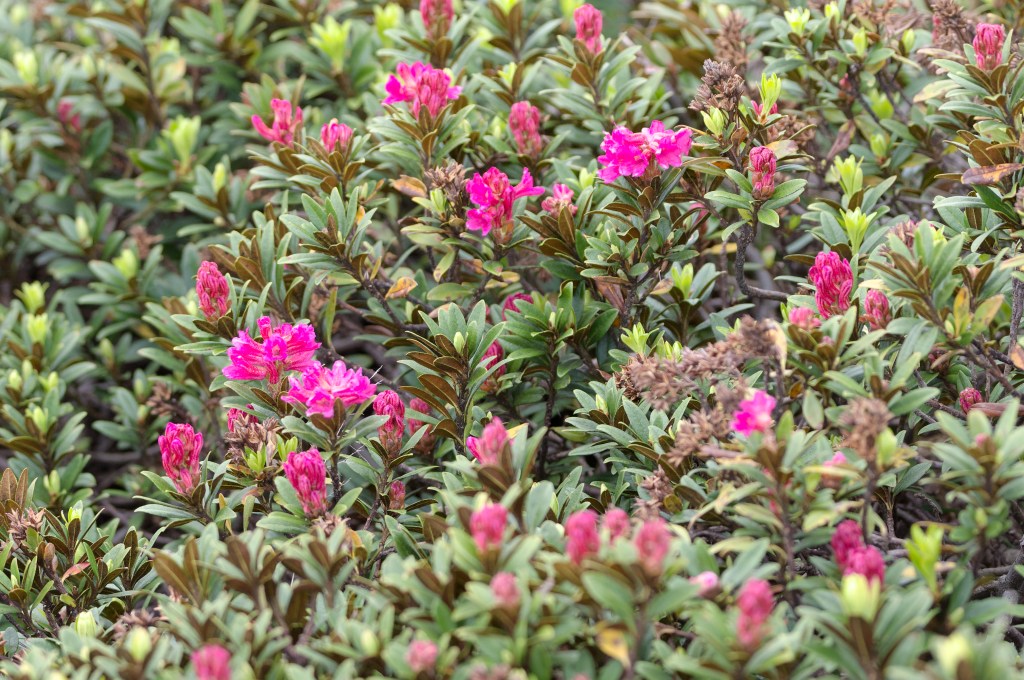
The cross in this image from May 2019 marks a point on that route; trail number 9 climbs up the slope to where it levels at around 2200 m, then turns hard left following the high ridge towards the south west. The plants showing through the snow are R. ferrugineum.
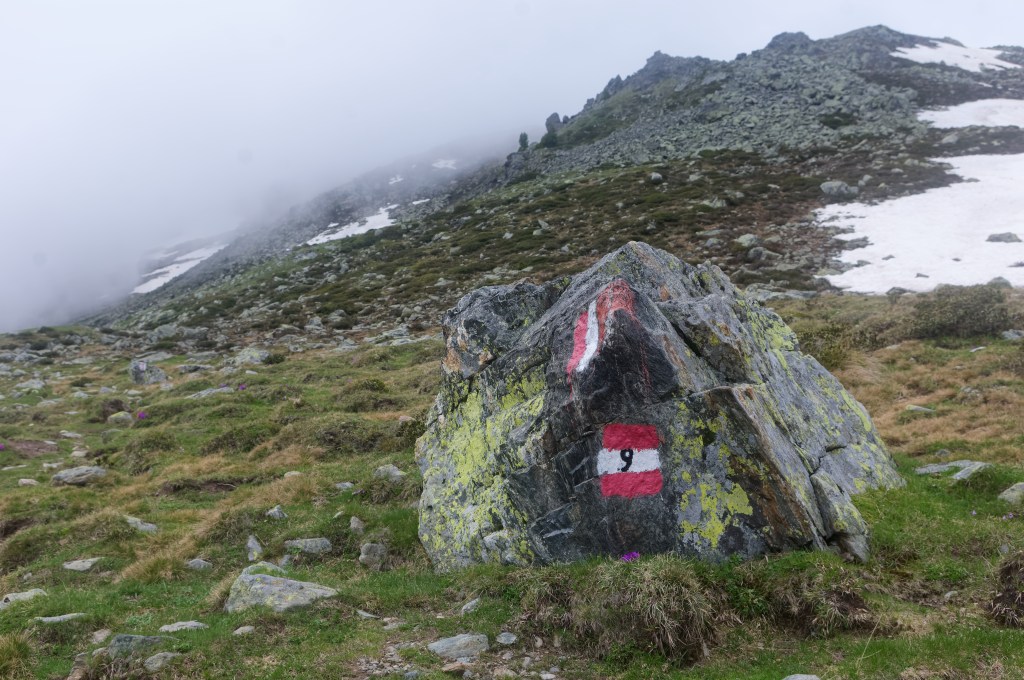
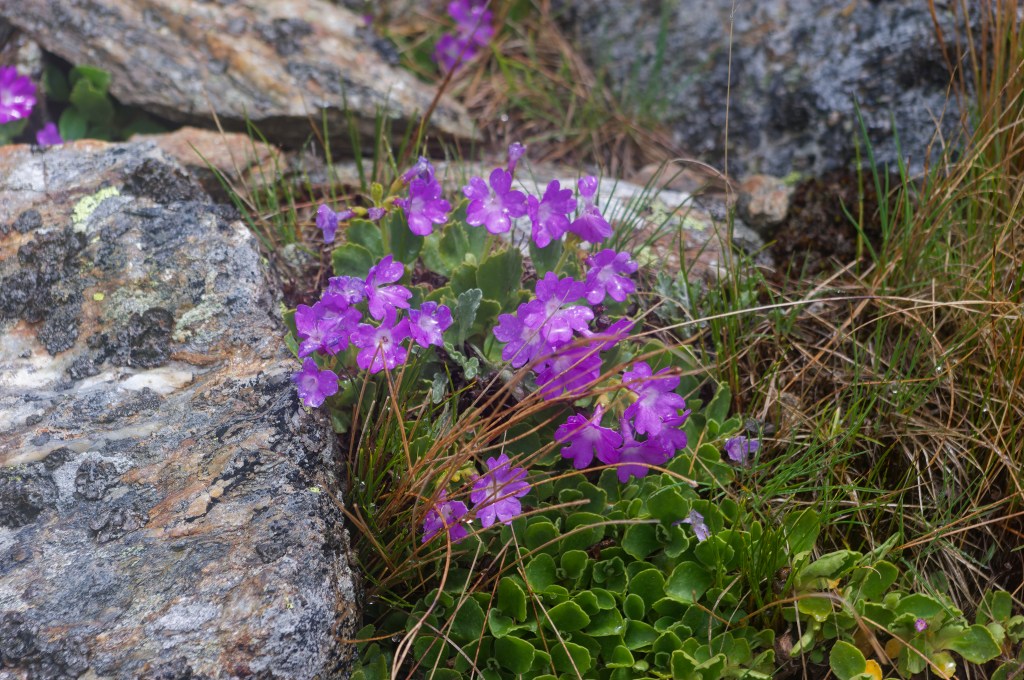
We also found carpets of the Alpine Primrose (Primula hirsuta) at this elevation; unfortunately, the mist is masking the mass display of these fine plants.

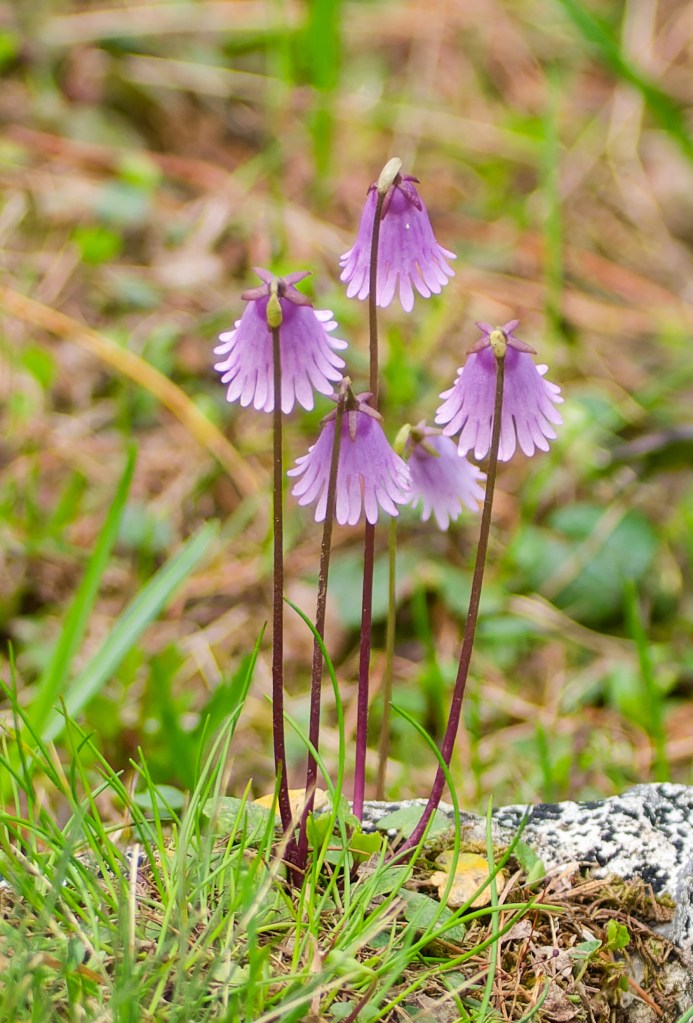
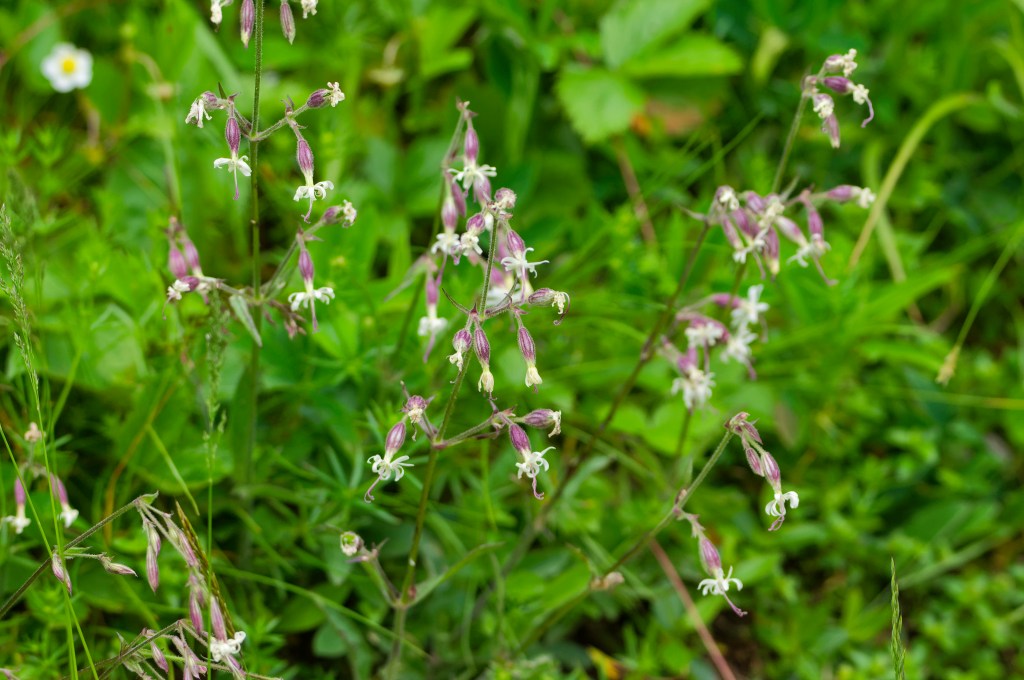
The Alpine Snowbell (Soldanella alpina) was a new plant for Backwoodsman, as was the Nottingham Catchfly (Silene nutans), though this may be widespread in the UK, and have been simply overlooked.
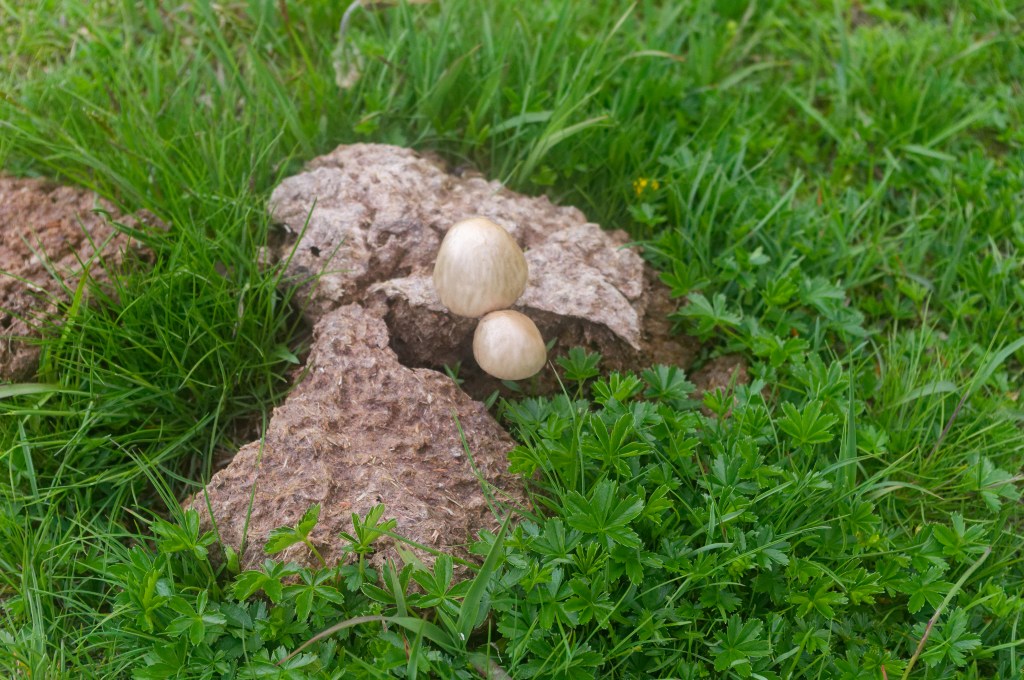
PictureThis has not helped with the very few Fungi we found. This one only appeared to grow from deposits of cow dung; is it possible that spores only germinated when they fell in the right medium?
The second example has something of the appearance of blowtorched Italian meringue.
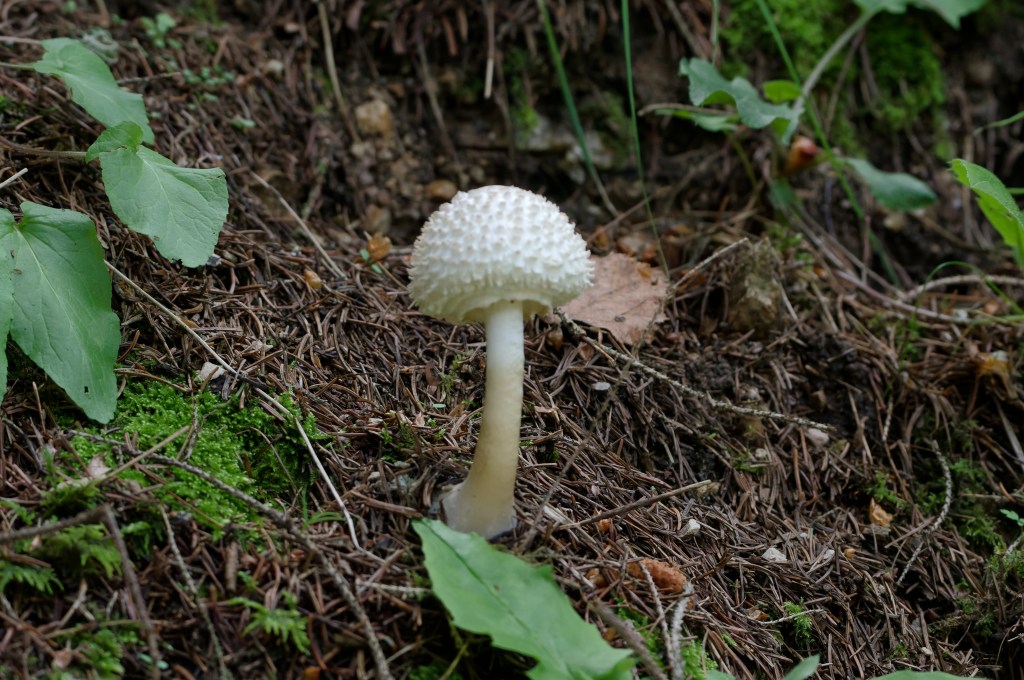
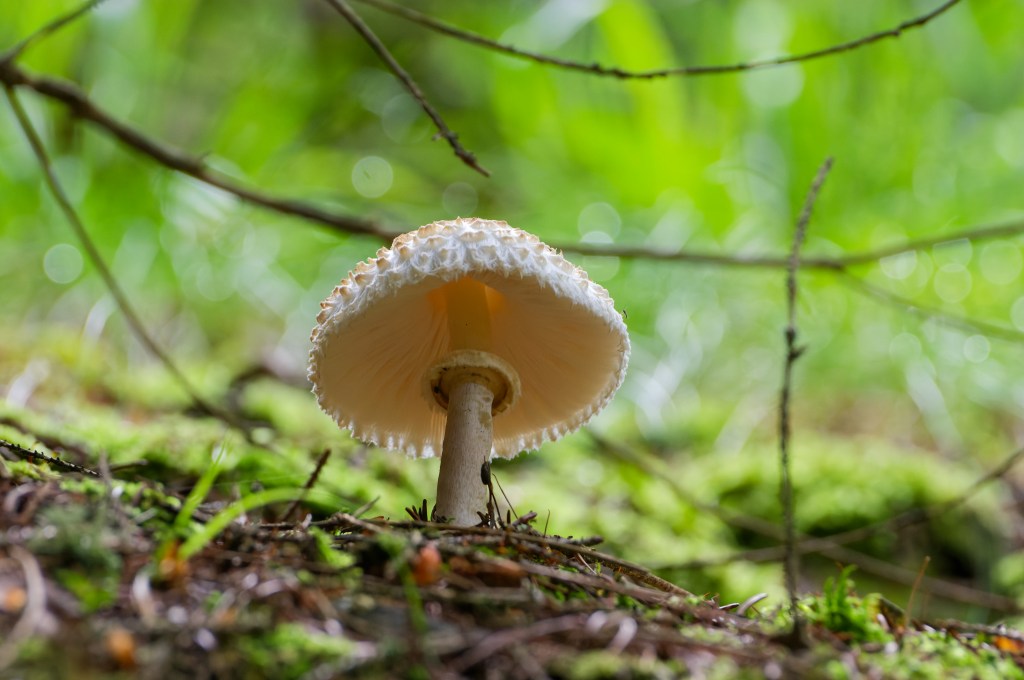
If any expert mycologists are reading this, please let me know what this is. The final fungal item does highlight the contrast between UK and wider European food cultures. Try going in a Spar in, say, Maryhill, and asking for Funghi misti con Porcini… As they say where I come from “Go on, I’ll hold yer coat.”

Of non-grazing mammals, there were few. On the way to the airport, our taxi driver had teased us about Bears and Backwoodsman had wondered if Wild Boar might be about. No and no, fortunately; happy to see both from a distance, not so keen on an intimate encounter with either. Squirrels bounded across our path on a number of occasions; most were the familiar red colour but a couple were dark, including this one, which sprang into a tree as we approached. Backwoodsman was interested to see that non-Grey Squirrels span quite a colour range.

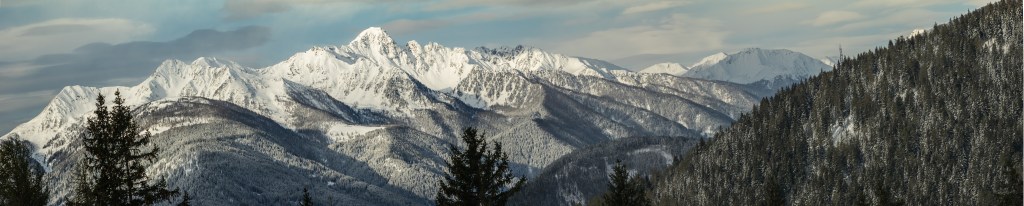
The Vigiljoch commands a southerly view across to the UNESCO site that is known as The Dolomites; Backwoodsman attempted to make a panoramic image of the range from the library at Vigilius using Lightroom software. A couple of unsightly trees have been removed using the Paint programme.

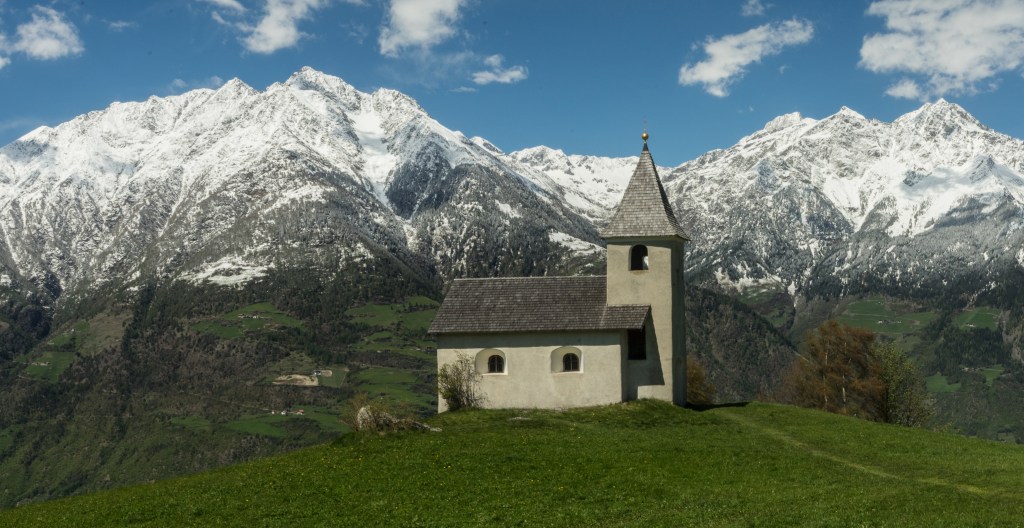
Our final view takes in Our Lady of the Snows at Ashcbach, a view to the north off the side of the mountain. Backwoodsman is a complete convert to the Sud Tirol and will be back there like a shot should the opportunity arise.
Back to birds next time.
 backwoodsman.org
